Project type
UX RESEARCH|UX DESIGN|UI DESIGN|USABILITY TEST|KEY TAKEAWAYS|Product designer|Design System
About the project
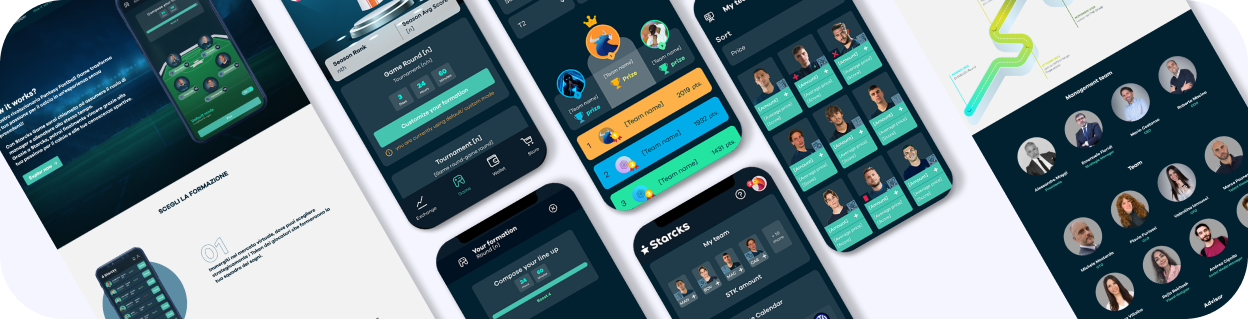
Starcks is a project that wants to unlock the power of engagement between Fans and Stars through the Blockchain, allowing users to be able to actively participate in the career of their sports idols. Starcks allows you to buy and exchange the tokens of the Stars of the major European football leagues.
Users gain
Registration Growth
Deposit Growth
Platforms (Web + Mobile)
Background
Project overview
As a Product & Brand Designer at Starcks, I joined at an early growth stage when the platform had a landing page and had already launched its main token — the foundational asset for all soccer player tokens. Users were able to buy and sell both the Star token and individual player tokens, with the core ambition of helping fans feel closer to their favorite players while creating new earning opportunities through digital assets.
With this foundation in place, my focus was to strengthen the brand, elevate communication quality, and expand the ecosystem beyond transactional interaction.
My contributions included:
Brand System Development
Refined and redesigned the brand identity, establishing a clearer visual direction, improved color palette, and developing the first structured brand book to ensure consistency across all touchpoints.
Marketing Enablement
Designed scalable templates for the marketing team, enabling faster content production while maintaining visual coherence and brand integrity.
Strategic Product Expansion
Proposed the introduction of a gamified layer to the platform to deepen user engagement, increase retention, and transform passive token holding into an interactive experience.
Research & Thought Leadership
Dedicated my academic thesis to NFT gaming brands, exploring how digital ownership, gameplay mechanics, and community-driven economies can merge to create sustainable and immersive ecosystems.
Through these initiatives, I helped transition Starcks from a token-based platform into a more cohesive, scalable, and experience-driven brand with long-term growth potential.
Obstacles
Project Challenges
Challenge 01
Cross-Industry Product Complexity
The platform operated at the intersection of professional sports and Web3 gaming, requiring the integration of fan engagement, tokenized assets, and real-time performance-driven value mechanics. Designing within this hybrid ecosystem demanded continuous alignment between technical constraints, market behavior, and user expectations.
Challenge 02
Limited Budget Allocation
The project was developed under significant financial constraints, which required prioritizing high-impact design initiatives, optimizing available tools, and making strategic decisions to maximize output with minimal resources.
Challenge 03
Solo Design Ownership Under Tight Deadlines
As the sole designer on the project, I was responsible for brand development, product design direction, marketing assets, and strategic ideation. Deliverables were executed within a time-sensitive environment, requiring strong prioritization, autonomy, and rapid iteration.
Challenge 04
Absence of Direct Market Benchmark
Starcks introduced a model based on real soccer player tokens whose value fluctuated according to actual player performance in live matches. Given the lack of comparable products operating under the same real-world performance-linked token model, there were no clear market precedents to reference. This required building design logic, user education strategies, and trust frameworks from first principles.
Stack
Toolkit
Research
 maze
maze Miro
Miro G Meet
 G sheet
Design & Prototyping
 Figma
Figma FigJam
 Illustrator
 Premiere
 Photoshop
 Canva
Canva Cinema 4D
Collaboration
 slack
slack Trello
Methodology
My
Approach
Agile
User-Centric
Data-Driven
I implemented an agile design process, collaborating closely with the development team throughout the project lifecycle. My approach was grounded in user-focused design thinking and informed by measurable insights and data analysis. Below is an overview of the core strategies we applied:
Phase 1
UX Research
Background
The initial geographical focus of the project was Italy. In this market, football is deeply embedded in everyday culture, influencing social conversations, media consumption, and weekend activities. Fans actively engage with matches both in stadiums and through digital platforms, seeking ways to stay connected to teams and players beyond live games.
In the digital ecosystem, fantasy football platforms such as Fantacalcio dominate mainstream engagement, followed by fan-token and blockchain-based platforms like Socios.com and Sorare. On a more simulation-driven and professional gaming level, titles such as Football Manager maintain strong popularity.
This landscape reflects a user base that is already familiar with fantasy scoring systems, digital assets, and performance-based player valuation—creating both an opportunity and a competitive challenge for introducing a real-performance-driven token ecosystem like Starcks.
Research Goals
We aimed to identify and address the most critical challenges users face when engaging with performance-based player tokens and Web3 sports platforms. The objective was to understand user motivations, trust barriers, and interaction pain points in order to design a seamless ecosystem where football fans can confidently participate, track player performance, and manage their digital assets with clarity and ease.
Secondary Research
What do I already know?
The Italian market has a strong culture of football engagement, both offline and digitally. Platforms such as Fantacalcio, Socios.com, and Sorare have introduced users to fantasy scoring systems, blockchain-based assets, and player performance valuation models. Additionally, football simulation games like Football Manager demonstrate users' familiarity with strategic player management and performance analytics.
However, no platform directly linked real-life player performance to token value in a fully integrated ecosystem like Starcks.
What do I not know?
I did not have access to internal quantitative data regarding user adoption, trust levels toward performance-based tokens, or how clearly users understood token volatility driven by real match outcomes.
It was also unclear how comfortable Italian football fans were with Web3 mechanics such as wallets, transactions, and digital ownership.
What does success look like?
Increasing user trust and clarity around real-performance-driven token valuation. Creating a seamless flow where users can buy, manage, and monitor player tokens with confidence.
Encouraging long-term engagement beyond speculative buying and selling.
Overview
The research approach adopted was primarily qualitative, focusing on understanding user motivations, perceptions, and behavioral patterns. Data collection methods included remote interviews and structured feedback sessions with selected users from the Italian market.
In addition, in Starcks we launched the “Starcks Angel” campaign — a community-driven initiative inviting engaged users to actively participate in improving the platform. Selected participants registered to take part in A/B testing sessions, where different design variations and interaction models were evaluated.
The research design also incorporated a focus group approach. A small group of users with similar interests in football, fantasy gaming, and digital assets were gathered to discuss their experiences, expectations, and concerns regarding performance-based tokens. These sessions provided deeper insight into usability gaps, trust barriers, and opportunities for gamification.
User Research · Phase 1
Affinity Mapping
After interviews and secondary research, insights were clustered into four core themes — each revealing a distinct dimension of how football fans engage with performance-driven platforms.
Cluster 01
Player-Centric Emotional Connection
“Fans seek intimacy beyond performance.”
- Core motivation — parasocial bonding & identity
Strong interest in star players' personalities & private lives
High engagement with behind-the-scenes content (locker rooms, training, family life)
Music and anthems as emotional reinforcement of loyalty
Cultural expression of fandom through songs & creative tributes
Fans don't just follow teams — they build parasocial relationships with players. Identity and loyalty are reinforced through emotional storytelling and cultural rituals.
Cluster 02
Continuous Match Engagement
“The match is not a 90-minute event — it's a content cycle.”
- Core motivation — relive, analyse, reinterpret
Pre-match predictions and debates
Live fan reactions, chants & stadium culture (Tifo, Mexican wave)
Tactical breakdowns and analytical discussions
Highlights & recap consumption extending 5–7 days post-match
Fans want to relive, analyse, and reinterpret the game multiple times. Emotional intensity fuels immediate reactions; intellectual curiosity drives post-game analysis.
Cluster 03
Community & Cultural Participation
“Football as a social identity and digital gathering space.”
- Core motivation — belonging, validation & recognition
High engagement with compilations (best goals, tricks, historic moments)
Fans creating vlogs and opinion-based content
Trivia and football culture discussions
Ongoing conversations connecting sport with society & lifestyle
Football acts as a social glue. Fans seek validation, belonging, and recognition within a shared cultural space — especially on digital platforms like YouTube.
Cluster 04
Active Play & Competitive Expression
“Fans want to participate, not just spectate.”
- Core motivation — skill showcase & competitive drive
Popularity of amateur trick videos & skill showcases
Challenge-based content and friendly competitions
Cross-genre creators integrating football into unrelated channels
Entertainment-driven football stunts and challenges
Fans want to relive, analyse, and reinterpret the game multiple times. Emotional intensity fuels immediate reactions; intellectual curiosity drives post-game analysis.
Synthesised Findings
Research Findings
Finding 01
Emotional Connection to Players
Fans build strong personal bonds with individual players and seek content that goes beyond match performance — behind-the-scenes, personal stories, cultural rituals.
Finding 02
Engagement Beyond 90 Minutes
Interaction continues before and after matches through predictions, reactions, highlights, and analysis. The content cycle extends 5–7 days around every fixture.
Finding 03
Community-Driven Conversation
Football fuels constant discussion, content creation, and cultural exchange across digital platforms. Belonging and recognition are core social drivers.
Finding 04
Active Participation
Fans want to compete, showcase skills, and engage interactively — not just watch the game. Challenge formats and skill-based content drive the highest engagement.
User Personas
Persona #1

Alex Marino
Age: 48
Education: Bachelor's Degree in Sports Science
occupation : High School Sports Coach and Sports Analyst
Bio
Alex Marino has spent over 20 years passionately coaching high school sports teams and analyzing professional games during their free time. Known for their meticulous breakdown of game footage and strategic approach, Alex is respected by colleagues and loved by players. Weekends are spent either coaching matches, attending live games, or hosting lively watch parties with friends who share the same enthusiasm for the sport. Social media is Alex's go-to platform for debating game tactics and connecting with other sports fanatics, though they often find it frustrating when discussions devolve into unproductive banter. Alex dreams of creating a local coaching community that values knowledge sharing and respect, where every game analyzed becomes an opportunity to learn and grow.
“Every game tells a story — I just want my team to be the heroes.”
Goals
- Develop winning strategies for the teams they coach
- Stay up-to-date with the latest sports trends and analysis
- Engage in meaningful discussions about sports strategies with a knowledgeable community
- Build a network with fellow coaches and sports enthusiasts
Frustrations
- Limited access to advanced analytics for grassroots-level sports
- Difficulty in finding reliable game footage for analysis
- Emotional highs and lows when games don't go as planned
- Lack of respectful discussions in online sports communities
Persona #2

Luca Bianchi
Age: 32
Education: Bachelor's degree in Communications
occupation : Marketing Specialist
Bio
Luca, originally from another Italian city, moved to their new hometown for a job opportunity. Eager to fit in and build new connections, they became passionate about the local sports team, attending games and trying to engage with the fan community. Luca frequently shares photos, experiences, and fan moments on Instagram and Twitter, hoping to bond with other supporters. However, they still feel like an outsider in a group of lifelong fans who have a deeper connection to the team and its culture. Luca hopes to bridge that gap by learning more about the team's history and traditions, making new friends through fan activities, and showing their genuine enthusiasm for their new home and team.
“I'm still learning all the local traditions, but I'm excited to be part of something new here. I want to feel connected to the team and the city, like I've always been a fan.”
Goals
- To immerse themselves in the culture of the new city and feel like an active part of the local sports community.
- To connect with other local fans and build new friendships through their shared love for the team.
- To document and share their journey as a fan with their followers on social media.
Frustrations
- Feeling disconnected from long-time local fans who have deep-rooted traditions and knowledge about the team.
- Struggling to find the right events or fan meet-ups to connect with people in the city.
- Not being fully familiar with the local team's history and culture, feeling like they're still on the outside looking in.
Phase 2
UX Design
Project Goals
With the research phase completed, the next step was to define the core product priorities and outline a clear feature roadmap. This required aligning business objectives with user expectations to identify their shared focus.
The overlap between both sides can be summarized into three key directions:
- Simplifying complexity by making Web3 mechanics and performance-based token valuation easy to understand and manage
- Creating an engaging and flexible ecosystem where users can seamlessly buy, track, and interact with player tokens — potentially enhanced through gamification
- Encouraging long-term retention and advocacy by building trust, emotional connection, and incentives that motivate users to return and recommend the platform
- Business Goals
What Starcks needs to succeed
01
Increase token adoption (Star token and player tokens)
02
Strengthen brand credibility in the Web3 sports market
03
Build a loyal and engaged football community
04
Increase transaction volume and long-term user retention
05
Position Starcks as an innovative bridge between real football performance and digital assets
- Shared
Where both align
✦
Simplify complex Web3 mechanics for mainstream football fans
✦
Create a trustworthy and transparent performance-based token system
✦
Build an engaging platform that goes beyond simple buying and selling
✦
Reduce friction in understanding player value fluctuations
- User Goals
What fans want from the platform
01
Feel closer to favorite football players
02
Understand how real match performance impacts token value
03
Easily buy, sell, and track player tokens
04
Be part of a competitive and interactive football experience
05
Earn rewards while engaging with the sport they love
Prioritised Feature Set
Product Roadmap
Features were prioritized using MoSCoW method, mapped to research findings, and validated against both business and user goals.
Feature name
Description
Research backing
Linked goal
P1 — Must have
Core Product Functionality
Account creation
User registration and onboarding
Platform access requirement
Business goal 01
Login
Secure user authentication
Platform access requirement
Business goal 01
Profile Settings
Manage user data and preferences
Standard UX expectation
Business goal 01
Player token marketplace
Browse, buy, and sell player tokens
User interview — ease of transaction
Shared goal 03
Token value tracker
Real-time performance-linked token prices
Transparency & trust building
Shared goal 04
Game Calendar
View upcoming matches affecting token value
Real-performance dependency
Finding 02 — 90-min cycle
P2 — Should have
Engagement Drivers
Starcks Game Lineup
Build a squad using owned tokens
Active participation desire
Finding 04 — competitive expression
Level Selection
Choose difficulty or competition tier
Gamification principles
User goal 04
Leaderboard
Rank users based on performance
Competitive behavior insight
Finding 04 — active participation
Tutorials
Explain token mechanics & gameplay
Web3 complexity barrier
Shared goal 01
Game History
Track past game performance
User need for feedback loop
User goal 03
P3 — Surprising & delightful
Retention & Depth
Community
User interaction & discussion
Football as social identity
Finding 03 — community participation
Invite Friends
Referral-based growth
Word-of-mouth behavior
Business goal 03
Game Booster
Temporary performance boosts
Gamification & monetization
User goal 05
Inventory
Manage owned items & boosts
Game economy structure
Business goal 04
P4 — Can come later
Monetization Expansion
Item Stores
Purchase in-game assets & boosters
Advanced game economy
Business goal 04
Information Architecture
Information Architecture
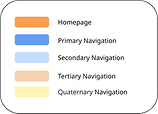
Mapping the full navigational structure of the Starcks platform — from homepage entry point through to the five primary navigation zones and their sub-pages.
Information Architecture
User Happy Flow
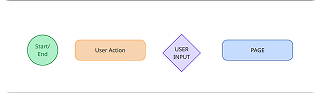
Three distinct paths map the core game loop — from the happy path (first-time game creation), through an alternate repeat path, to the error/edge-case handling flow.
Information Architecture
Wireframes
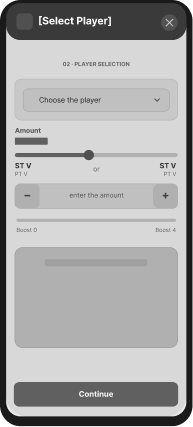
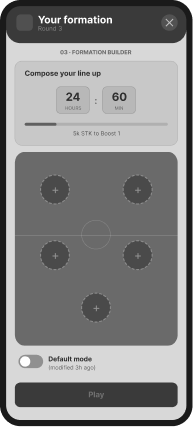
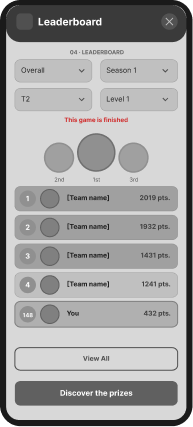
Lo-fi wireframes for the core game loop — six key screens from the Game Dashboard through to the My Team / wallet view, each annotated with the design decision made at that step.
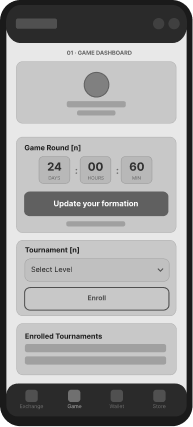
Game Dashboard
Decision: Timer shown prominently at top to create urgency and anchor the game-round mental model.
Formation Builder
Decision: Pitch visualisation with player slot circles — empty slots are dashed to signal “needs filling” without text instructions.
Player Selection
Decision: Dropdown for player choice + amount input side by side — reduces steps vs. separate screens.
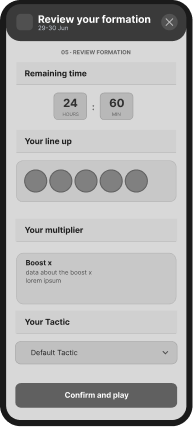
Review Formation
Decision: Timer persists on review screen — constant awareness of round time prevents abandoned confirmations.
Leaderboard
Decision: Tier and season filters as segmented controls — lets users compare rank across contexts without navigation away.
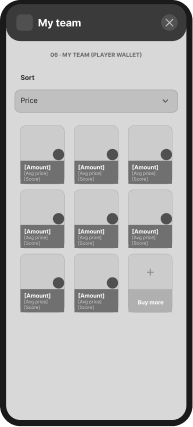
My Team / Wallet
Decision: Player-token cards in a scrollable grid with sortable price/score — fast scanning of holdings and value.
Phase 3
UI Identity
Brand book
Brand Book
Front cover1 / 15
Component library
Design System
A token-based design system built in Figma — covering color tokens, typography scale, spacing rules, and a full component library. Enables consistent implementation across all platform surfaces.
Color tokens
--color-primary
#45C4B0
--color-surface
#022131
--color-accent
#FFBF0F
--color-text-secondary
#5D5D5D
--color-danger
#D4537E
Typography scale
Aa
Display · 28px · 800 · Inter
Aa
Title · 20px · 700 · Inter
Aa
Body · 15px · 500 · Inter
Aa
Small · 12px · 400 · Inter
AA
Label · 10px · 700 · uppercase
Button components
Primary
Ghost
Danger
Badges & status
Active
Pending
In review
Finished
Choose this player
Input: focused state

Full design system in Figma
Token library, component variants, auto-layout patterns, and dark mode specs — all documented and developer-ready.
Final product
High Fidelity Screens
Four core screens from the final hi-fi prototype — the complete game loop from formation to leaderboard. Click the prototype button below to explore all interactions.
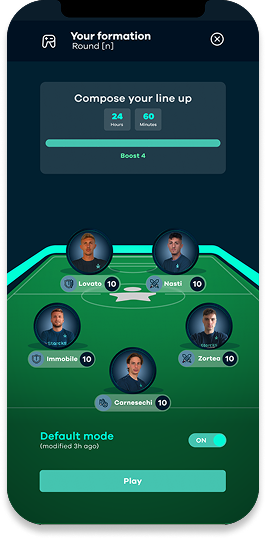
Formation Builder
Dashed slots = empty; filled circles = selected player. Zero text needed to communicate state.
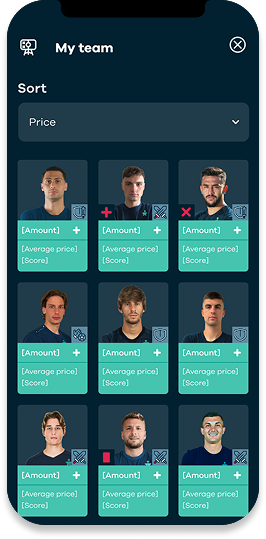
My Team
Token value shown inline with player cards — no separate portfolio screen needed for quick checks.
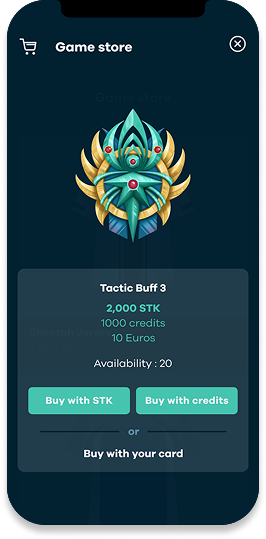
Game Store
Color-coded items by rarity/value. Amber = premium tier. STK price visible without opening item.
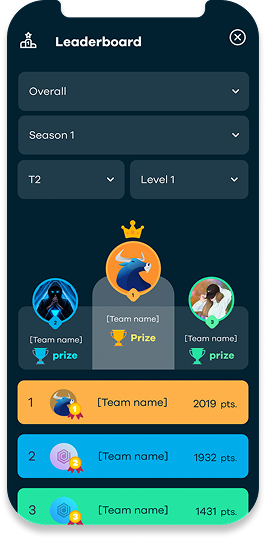
Leaderboard
Progress bars encode rank visually. Highlighted row = current user's position — always visible.
Interactive Figma prototype
Full high-fidelity prototype with all transitions, micro-interactions, and the complete game loop — Formation → Play → Results → Leaderboard.
Phase 4
Usability test
Testing
- Usability Testing: We conducted 15+ usability testing sessions throughout the design process to gather feedback and identify areas for improvement.
- Iterative Design: Based on user feedback and data analytics, we iterated on the design, making adjustments to improve usability, accessibility, and conversion rates.
- Accessibility Audit: We conducted an accessibility audit to ensure that the platform met WCAG 2.1 standards and was usable by people with disabilities.
Worked
- Trading (Scambia) and Wallet structure were generally clear
- Player performance and asset overview were understandable
- Game weight slider mechanism was functional
- Reward and Performance sections were accessible
- Store section was easy to navigate
CHANGE
- Filters reset after opening a player and returning to Scambia/Wallet
- Improve column alignment in Wallet/Assets for better visual clarity
- Add Active Orders filter inside Wallet/Orders
- Improve discoverability of game updates information
- Simplify player weight adjustment flow (currently too manual)
Questions
- How can I monitor all active orders at once?
- Why do my filters reset when I go back?
- How can I quickly rebalance player weight percentages?
- How do I stay updated on token price changes?
- When will new Store items be released?
- Where can I find official updates about STK and the game?
Ideas
- Add Price Alert (Bell icon) for token value changes
- Add “Share” button in Wallet/Performance (social-ready gain image)
- Add “Share” button in Rewards section (win celebration visual)
- Add “Reset %” button in Game/Peso Calciatore
- Add Quick % buttons (10%, 50%) next to player sliders
- Add Preset STK allocation buttons based on tournament entry levels
- Add Store countdown timer (day-based) for new items
- Add Help → Updates 2024/2025 section with downloadable PDF
Phase 5
Design System Development (Post-Launch)
Last Tokens
- Atomic Design: I implemented a scalable design system based on atomic design principles, creating a library of reusable UI components.
- Efficiency Gains: The design system reduced Figma file size by 80% (from 350MB to 70MB) and streamlined the design and development process for future updates.
Marketing
Social post, story, banners, video
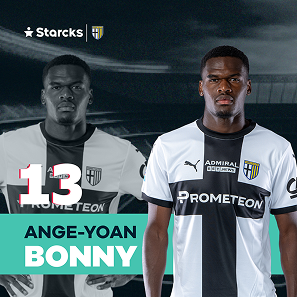
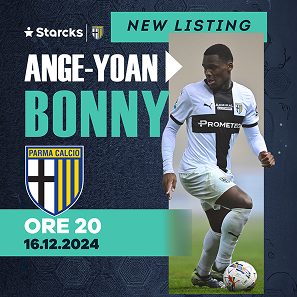
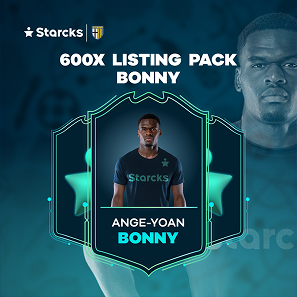
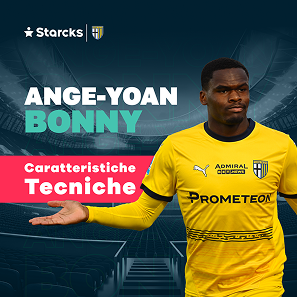
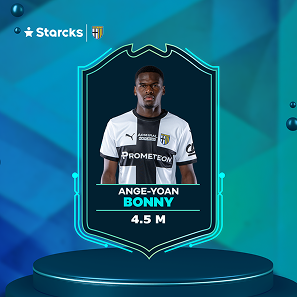
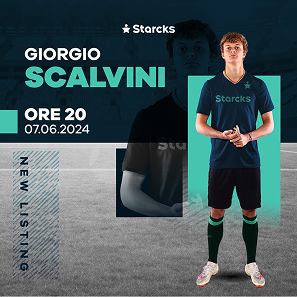
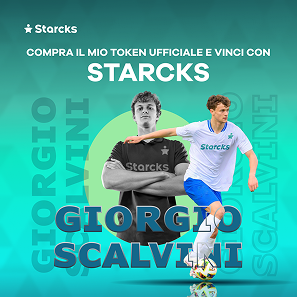
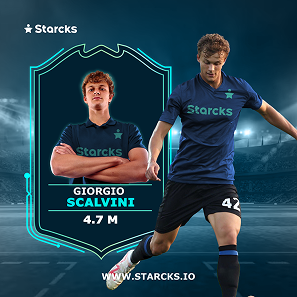
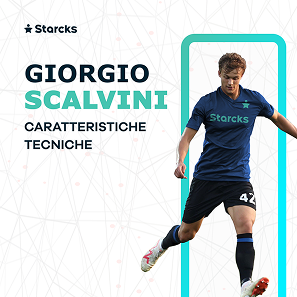
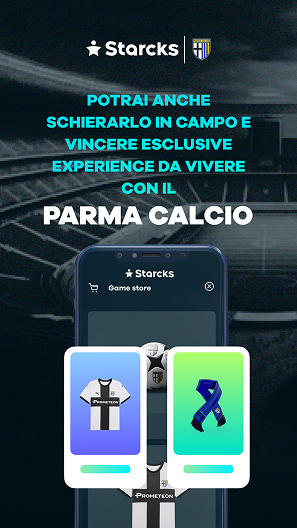
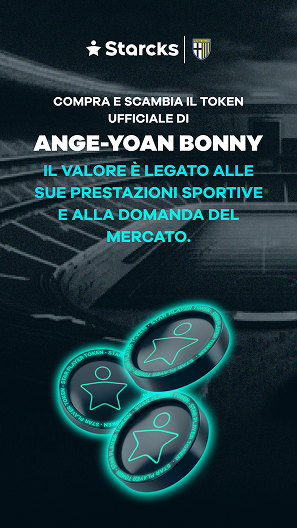
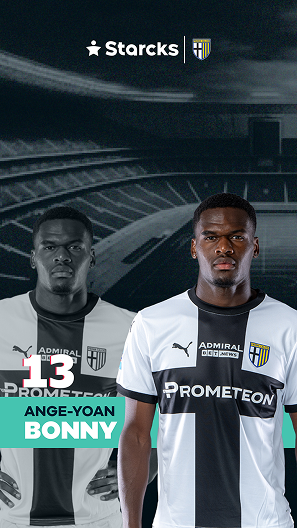
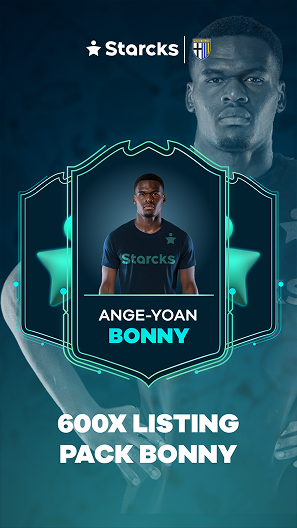
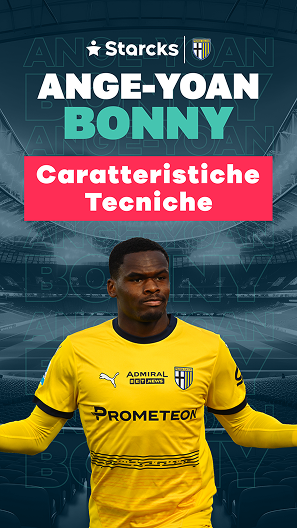
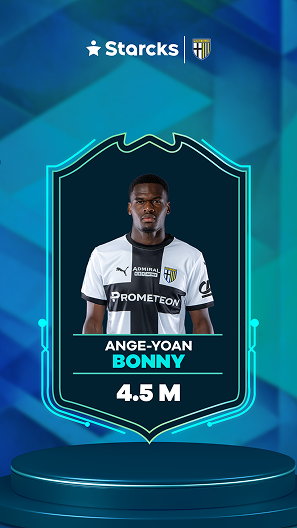
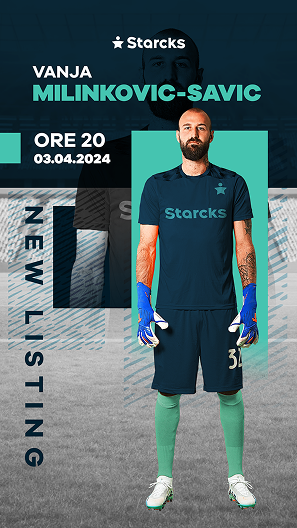
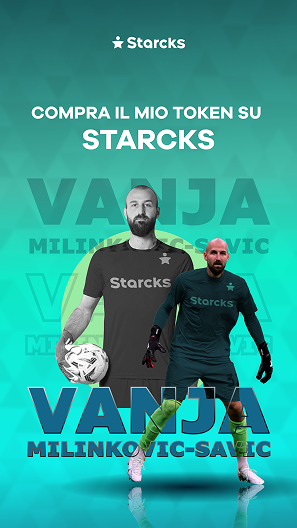
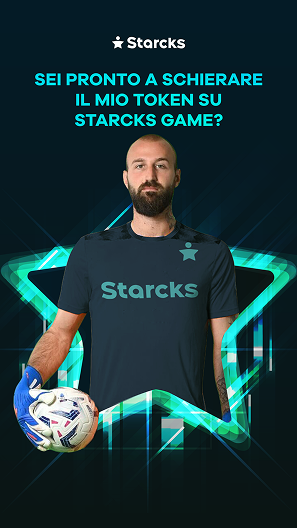
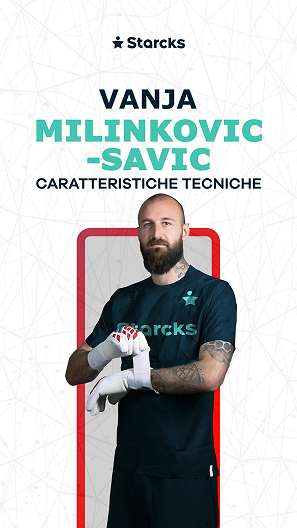
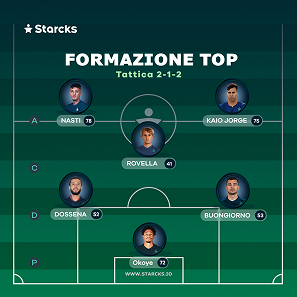
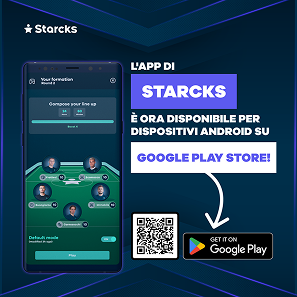
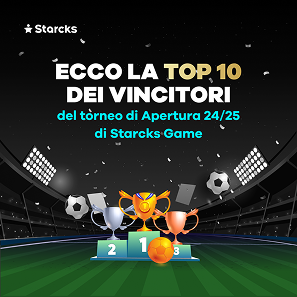
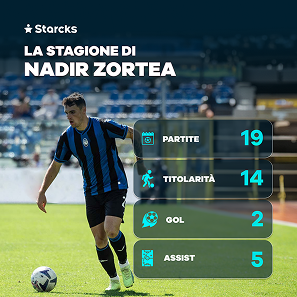
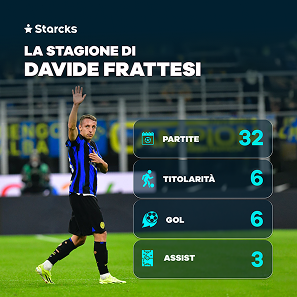
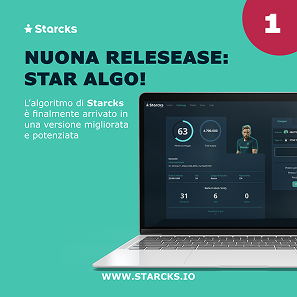
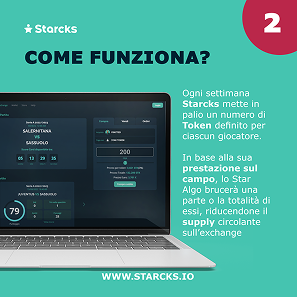
During the project, the main social media activities were focused on Meta platforms, where content was designed around the core interests of the audience: soccer player launches, match-related updates, leaderboards, awards, seasonal player performance, and events. Based on the research findings, users showed a stronger engagement with realistic, data-driven content, especially posts that highlighted actual player statistics and season performance rather than purely promotional visuals. Trust was also a key factor: users wanted to see real leaderboards, authentic awards, and credible performance data, as these elements made the platform feel more transparent, reliable, and connected to the real competitive world of soccer.
Soccer player launch posts V1
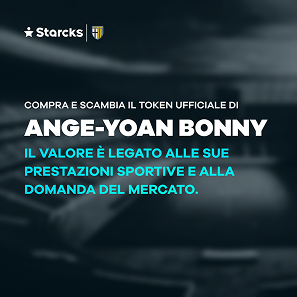
Soccer player launch posts V2
Soccer player launch Story V1
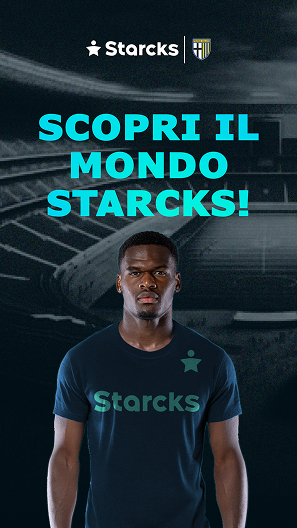
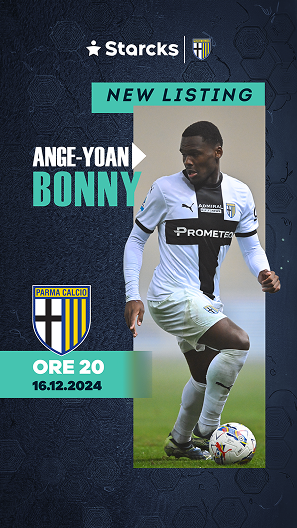
Soccer player launch story V2
Social media
Banners